

Massage After a Car Accident
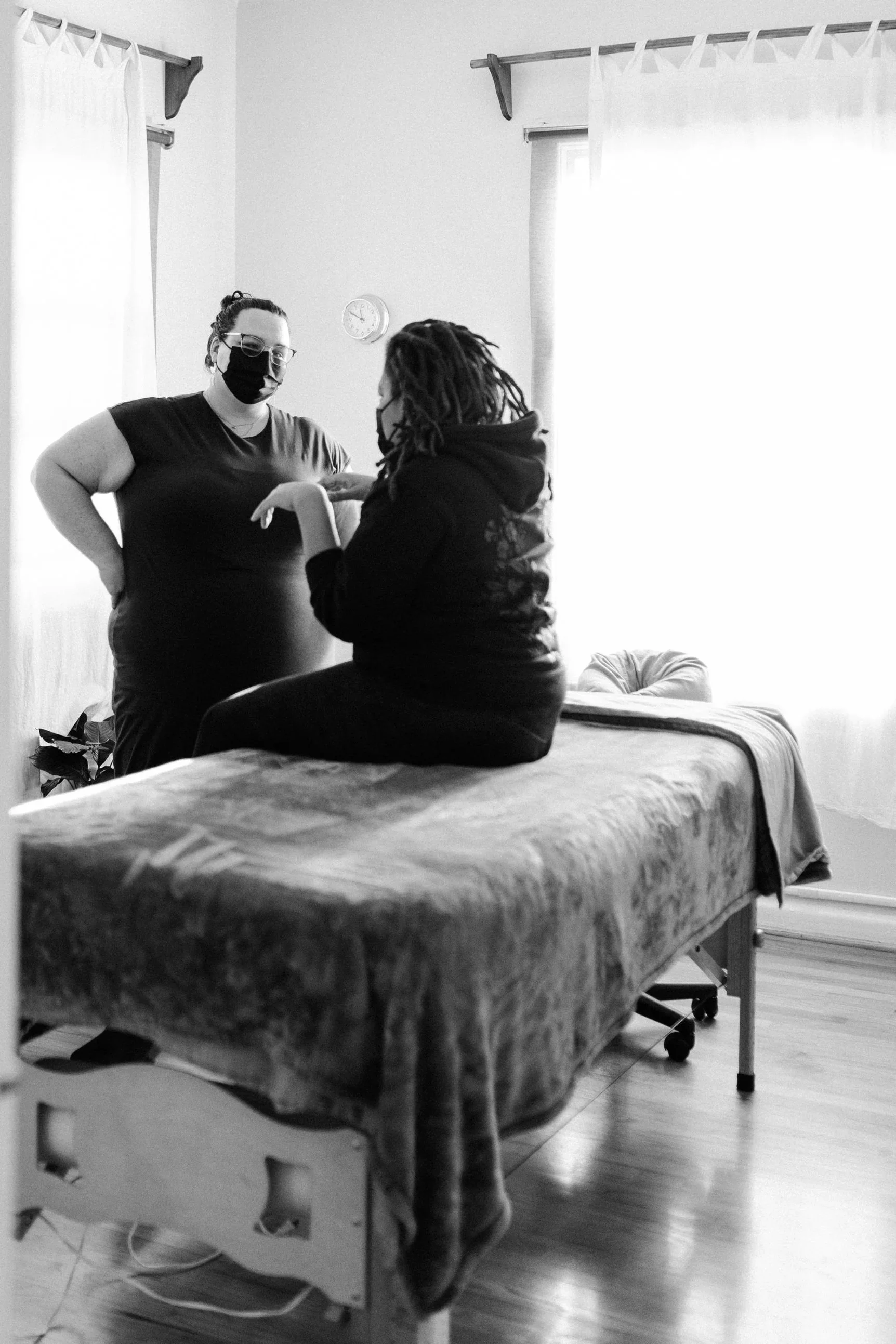
If you were recently injured in a car accident, we may be able to bill therapeutic massage directly to your open claim. We handle the paperwork so you can focus on feeling like yourself again.
Common Questions About Care
-
A car accident is a sudden, forceful event. Your muscles brace, your joints absorb the impact, and your nervous system goes on high alert. Even a low-speed collision can leave you with stiffness, pain, headaches, or tension that builds over the following days and weeks; often feeling worse 2-4 weeks after the incident than in the immediate days following.
Massage works directly with the soft tissue that took the hit. It can ease muscle guarding, improve circulation and range of motion, and help your body settle out of that braced state. It fits well alongside medical, chiropractic, and physical therapy care, and many providers recommend it as part of a full recovery plan.
-
Once you’ve been checked out by a medical provider and cleared for soft tissue work, you can usually start right away. Earlier is often better. Working with your body before compensation patterns and chronic tension set in tends to make recovery smoother.
If you’ve had a fracture, open wound, surgery, or a recent concussion, we’ll follow your provider’s guidance and adjust the work to meet you where you are in your recovery process.
-
Yes, and many people find it helps the rest of their care hold. Massage can soften tight tissue so adjustments and exercises are easier on your body, and it gives your nervous system time to rest between more active treatments.
Your PIP coverage can usually pay for several types of care at once. Just let us know who else you’re seeing so we can coordinate as needed. Your chiropractor or primary care provider is often the one who writes your massage prescription.
-
Yes — and I actually recommend seeing at least two of us because we can offer very different types of bodywork, and having a second set of eyes and hands often helps speed recovery.
Every practitioner on our team works with auto injury clients, so you can book with whoever feels like the right fit. Browse our practitioner pages to get a sense of each person’s style and focus.Your session will be shaped around your injuries and your treatment plan. Depending on the practitioner and what your body needs, that might include myofascial work, cupping, gua sha, craniosacral, or jaw and facial work. Your therapist will talk through options with you and check in as you go.
-
That’s a really common experience, and it makes sense. After an accident, your nervous system can stay in a protective state long after the moment has passed. You might notice trouble sleeping, a short fuse, jumpiness in traffic, or a sense that you can’t fully relax.
Our work is trauma-informed and centered on nervous system regulation. Slow, attuned touch can help your body find its way back to feeling safe. You’re always in charge of your session, including pressure, pace, and what areas we work on. Massage isn’t a replacement for mental health care, but it can be a meaningful part of feeling like yourself again.
-
That depends on your injuries and what your prescribing provider recommends. We can also help you come up with a plan that feels sustainable and effective. Many people start with one to two sessions a week in the first several weeks, then taper as symptoms improve.
Consistency matters more than intensity. Regular sessions early on give your body steady support while it’s actively recovering. We’ll check in about your progress along the way and share updates with your provider when it’s time to adjust your plan.escription
Common Questions About Billing
-
In Oregon, every auto insurance policy includes PIP. It pays for medical care related to a car accident no matter who caused it. That means your own policy usually covers your treatment first, even if the other driver was at fault.
PIP covers care that’s reasonable and necessary for your recovery. That includes massage therapy when a medical provider prescribes it. We bill your claim directly, so you don’t have to submit paperwork or wait to be paid back.
-
Yes. Most insurers need a prescription for massage from a medical provider before they’ll pay for sessions. This can be your primary care provider, a chiropractor, a naturopath, or another provider treating your accident injuries.
Ask your provider to put these on the prescription:
Your diagnosis codes
How many massage sessions they recommend
How often you should come in
If you don’t have a provider yet, reach out and we can point you toward next steps.
-
Before your first session, please send us:
Your claim number
The date of the accident
Your insurance company’s name and billing address
Your adjuster’s name, phone number, and email
Your massage prescription
[Attorney’s name and contact info, if you have one]
You’ll also fill out an intake form when you book that includes all of this information and more. Once we have everything, we take care of the billing from there.
-
Custom When your claim is open and your sessions are approved, most clients pay nothing at their visit. We bill your insurance directly.
A few things can create a cost, so we want you to know them up front:
Sessions after your claim closes or your benefits run out
Services your insurer decides aren’t covered
Late cancellation or missed appointment fees, which insurance does not pay
-
In Oregon, your own PIP coverage still pays first, whoever was at fault. Your insurance company may later recover those costs from the other driver’s insurer. That happens between the insurance companies and doesn’t change your care.
If you don’t have auto insurance, or your PIP benefits run out, your care may be billable to the other driver’s liability claim. We have a lot of experience with this, and will help you sort out your options.
-
Item deSometimes an insurer denies a session, asks for more records, or closes a claim before you feel finished. If that happens, we’ll let you know right away and help you understand your options. That might mean getting an updated prescription, sending records, or talking with your adjuster or attorney.
If you want to keep coming in after insurance stops covering your care, you’re still welcome here, and we would switch to an out-of-pocket cost model.
-
Yes. Share your attorney’s contact information with us during your intake so we can keep everyone in the loop.
In some cases we can bill on a lien, which means we’re paid when your case settles. We occasionally work with these on a case by case basis - reserved for clients who have already established care, and our financial ability to wait for payment (which can take years depending on the case).