Why Massage Matters After a Motor Vehicle Accident
We’ve almost all been there — driving to work, running errands, or heading to the grocery store — when suddenly boom. You’re rear-ended at a stoplight, or someone misreads an intersection and you’re t-boned.
If speeds are low and you’re lucky, you walk away feeling mostly okay. Maybe there’s a mild headache, a little neck stiffness, or a vague ache in your shoulders. The car might barely show a dent. So you keep moving, chalk it up to stress, and wonder if it’s even worth opening an insurance claim.
After more than a decade as a licensed massage therapist, I can say this clearly: it is absolutely worth it.
Soft-tissue injuries like whiplash are often delayed by days (sometimes up to a week) due to adrenaline masking symptoms. Even more commonly, pain and dysfunction worsen again around 6–8 weeks post-accident. Those lingering headaches, stiffness that won’t resolve, irritability, or a sense that your body just doesn’t feel right anymore are all signs your nervous system and spine absorbed more force than you realized.
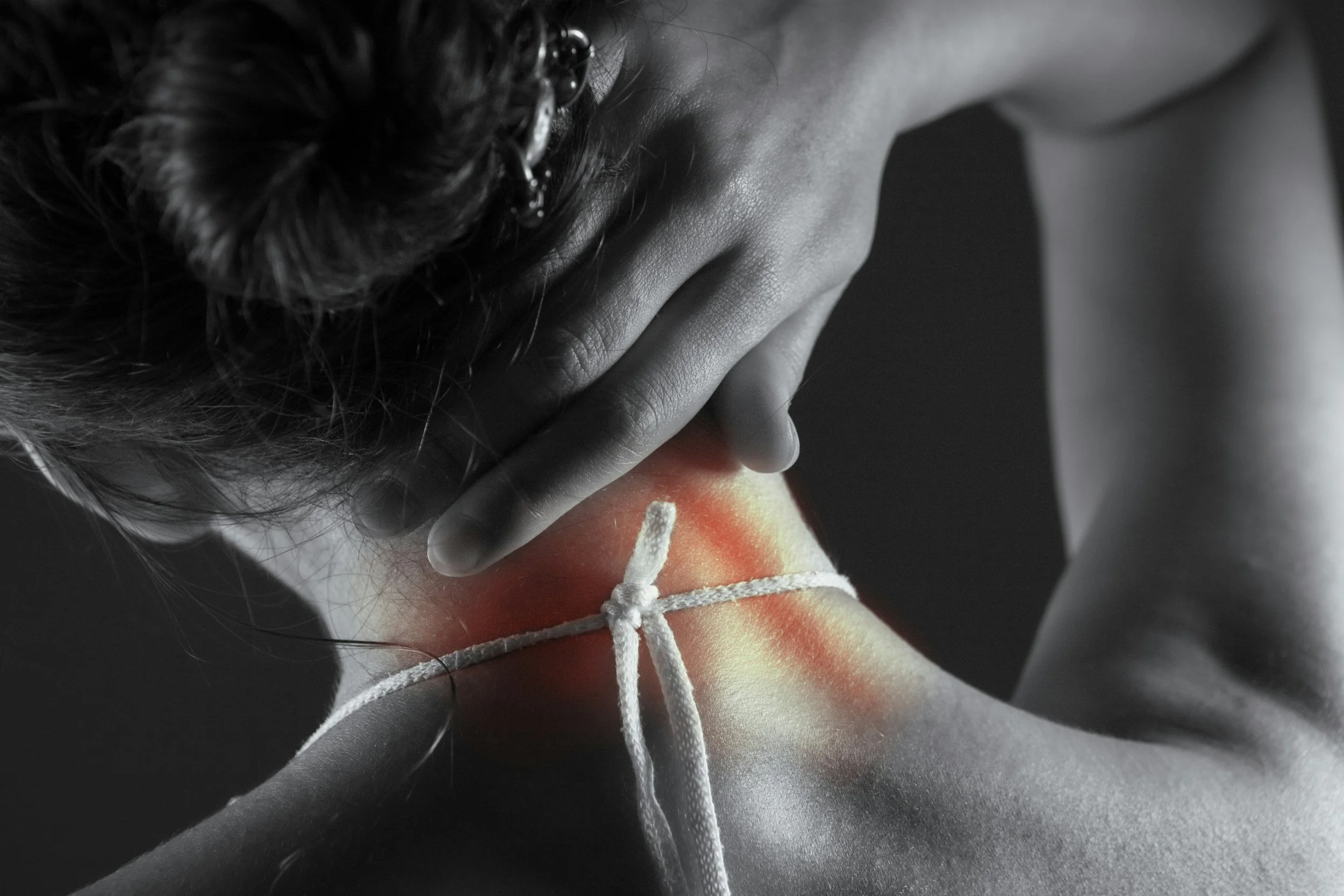
What Whiplash Actually Is
(and Why It’s Often Missed)
Whiplash is a soft-tissue injury caused by the rapid back-and-forth motion of the head and neck during a collision. This motion places intense strain on the muscles, ligaments, fascia, and joints of the cervical spine — even at low speeds.
Because whiplash doesn’t usually show up on X-rays, it’s often dismissed early on. But the absence of broken bones doesn’t mean the injury is minor.
Common Whiplash Symptoms
Whiplash symptoms can appear immediately or days later and may include:
Neck pain and stiffness
Headaches (especially at the base of the skull)
Reduced range of motion in the neck or shoulders
Upper back or shoulder pain
Jaw tension or TMJ symptoms
Dizziness or vertigo
Fatigue, irritability, or difficulty concentrating
Trouble sleeping due to discomfort
These symptoms are your body’s way of signaling that stabilizing structures of the spine have been strained; not just the big, obvious muscles.
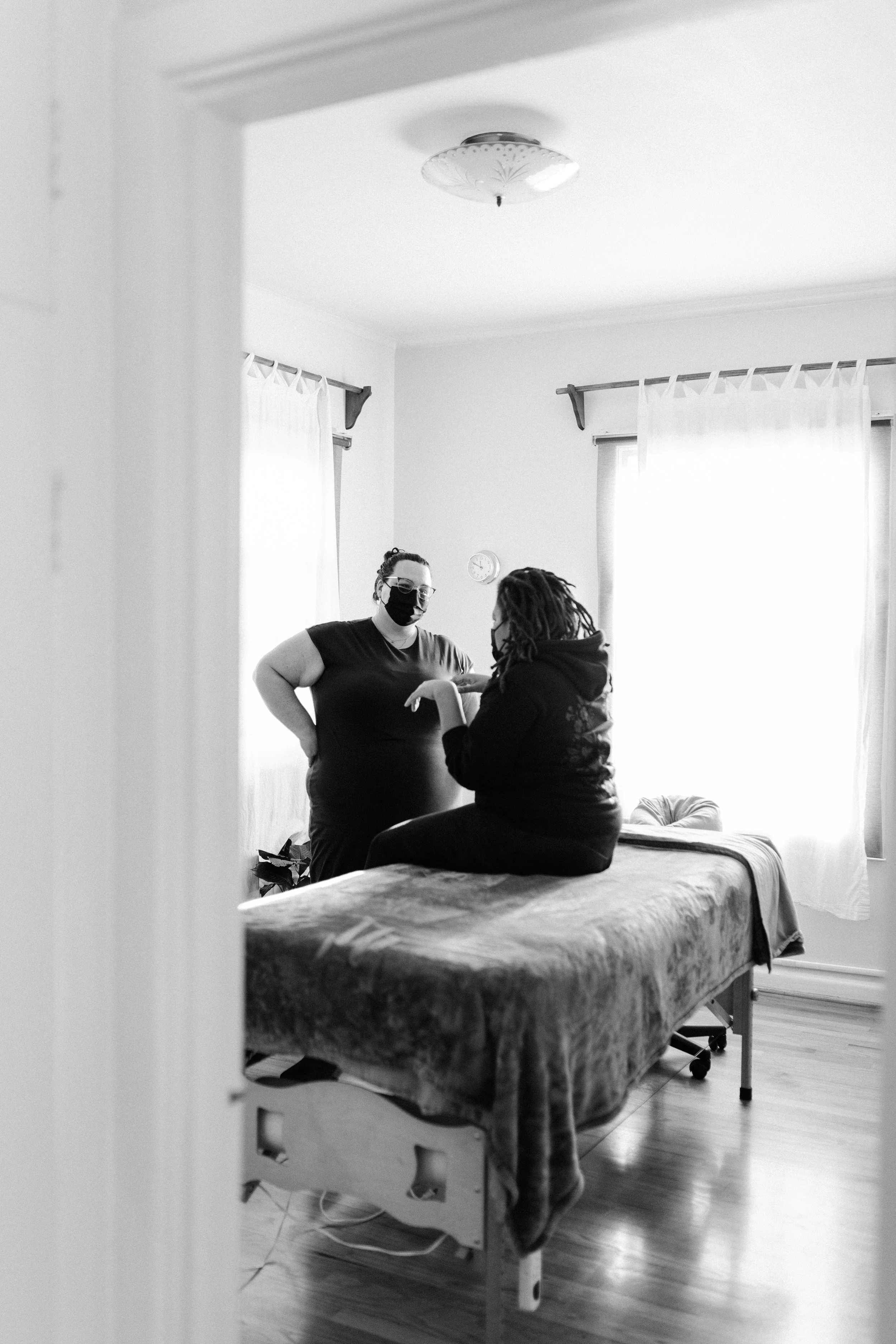
Why Massage Therapy Is an Effective Treatment After a Car Accident
Massage therapy isn’t only about relaxation after an accident; it’s targeted, therapeutic care that supports healing at the tissue and nervous-system level.
Our massage therapists keep detailed health records that can stand up in litigation or if the severity of your injuries come into question.
1. Massage Treats the Muscles Most Affected by Whiplash
In motor vehicle accidents, it’s often the small stabilizing muscles between the vertebrae that are most impacted. These muscles are responsible for fine motor control and spinal stability, and they don’t recover well without intentional care.
Massage therapy addresses:
Micro-tearing in soft tissue
Protective muscle guarding
Fascial restrictions that limit movement
2. Improves Circulation and Reduces Inflammation
After trauma, localized inflammation can linger and restrict healing. Massage increases blood and lymphatic flow, which:
Delivers nutrients needed for tissue repair
Reduces swelling
Helps prevent adhesions and scar-tissue buildup
3. Supports Nervous System Regulation
Car accidents are stressful events, both physically and neurologically. Massage helps shift the nervous system out of fight-or-flight and into a state where healing can actually occur. This is especially important when symptoms include headaches, sleep disruption, or persistent tension.
4. Helps Prevent Chronic Pain Patterns
Early massage care can prevent compensation patterns that lead to chronic neck pain, shoulder issues, or recurring headaches months (or years) later.

Understanding PIP Insurance in Oregon
One of the most important (and often misunderstood) parts of recovery after a car accident is Personal Injury Protection (PIP).
What Is PIP?
In Oregon, all auto insurance policies are required to include PIP coverage. This is no-fault medical coverage, meaning it applies regardless of who caused the accident.
What Oregon PIP Covers
Oregon PIP provides at least:
$15,000 per person in medical benefits
Coverage for up to two years after the accident
PIP commonly covers:
Doctor and urgent care visits
Diagnostic imaging (when medically necessary)
Physical therapy and chiropractic care
Massage therapy with a prescription or referral
Ambulance and emergency care
In many cases, PIP pays 100% of medically necessary treatment, with no co-pay or deductible.
Why This Matters
Health insurance often excludes treatment related to motor vehicle accidents — and massage therapy is frequently not covered at all. PIP exists specifically to ensure you receive care without delay while your body is healing.
How to Use Your PIP Benefits After an Accident
If you’ve been in a car accident in Oregon, here’s how to protect your health and your coverage:
1. Open a PIP Claim Promptly
Even if symptoms feel mild at first, opening a claim ensures coverage is in place if symptoms worsen later (which is very common with whiplash).
2. Get a Medical Evaluation
Seeing a licensed provider early helps document injuries and establish medical necessity for treatment.
3. Request a Massage Therapy Prescription
Most insurers require a referral or prescription from a physician, chiropractor, or physical therapist in order to bill massage therapy under PIP. (If you need a referral, we have many trusted providers we work with.)
4. Stay Consistent With Care
Soft-tissue injuries heal best with consistent, well-documented treatment; not sporadic visits once pain becomes unbearable.
Massage Therapy as Part of Your Recovery Plan
Our licensed massage therapists are experienced, highly skilled, and dedicated to our craft. We work regularly with clients recovering from motor vehicle accidents. Our approach is trauma-informed, therapeutic, and focused on restoring mobility, reducing pain, and supporting nervous system regulation, not forcing tissue or pushing through pain.
Massage Therapy After a Car Accident in Portland, Oregon
If you’ve been in a motor vehicle accident in Portland, accessing timely care can make a significant difference in how your body heals. Many people in the Portland metro area experience delayed whiplash symptoms after low-speed collisions on city streets, highways, and intersections.
At Lavender Moon Wellness, we provide therapeutic massage for clients recovering from car accidents, including whiplash, headaches, and soft-tissue injuries. We regularly work with Oregon PIP insurance, coordinate with diagnosing providers, and help clients understand how to use their benefits while focusing on recovery.
If you’ve recently been in a motor vehicle accident and have questions about massage therapy, whiplash recovery, or using your PIP benefits, we’re happy to help you navigate the process.